When Evening Routines Slip: A Parent's Photography Challenge
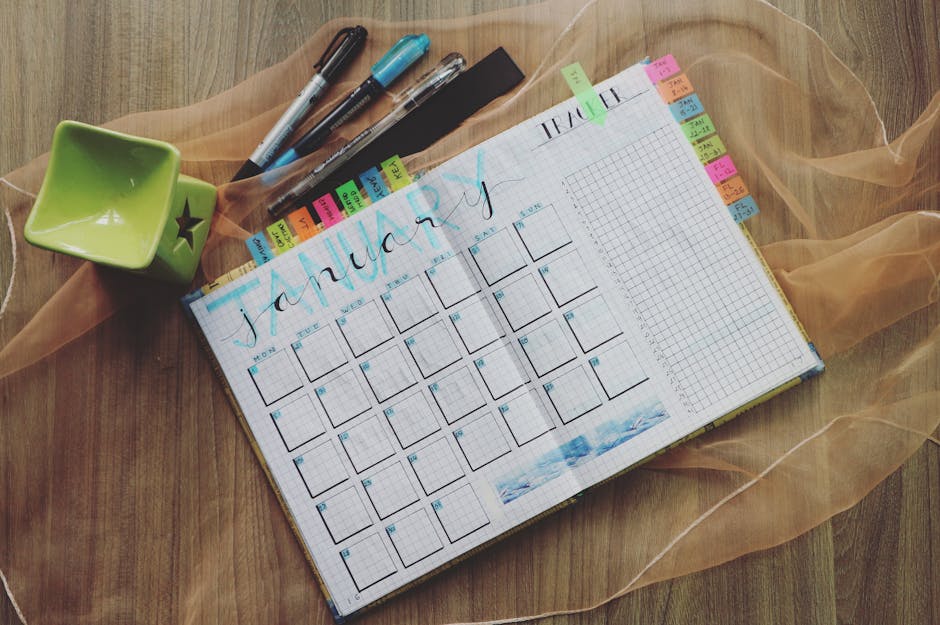
As the clock inches toward 6 PM, the hallway drop zone is cluttered with shoes, backpacks, and a half-empty lunch container still resting in the sink. After a long day, the evening routine feels like a race against time. Work clothes cling to my body longer than intended, a reminder of the day that slipped away. With dinner just finished and the kids buzzing around, the thought of grabbing the camera to capture these fleeting moments seems more like a distant wish than a practical task.
In the chaos, the small habit of checking the weather for the evening light gets lost. Instead, I find myself scrambling to tidy up the kitchen while the kids play, missing the perfect opportunity to snap a photo of their laughter. The evening reset, meant to be a calming transition, quickly morphs into a flurry of activity, leaving little room for the creativity that photography demands. The push to salvage the day often overshadows the chance to document it, creating a cycle where good intentions fade into the background noise of daily life.
The Moment Before the Slip
The hallway drop zone greets me with a chaotic scene: shoes scattered, bags piled, and a lunch container still sitting in the sink from this morning’s rush. As the clock inches closer to dinner time, I feel the weight of the day pressing down, a reminder that the evening reset is slipping away. The kids’ laughter echoes from the living room, a stark contrast to the clutter that surrounds me.
With dinner just wrapped up, I glance at the clock—5:45 PM—and realize I’m already behind schedule. The usual routine of tidying up and prepping for the next day feels more like a sprint than a calm reset. I’ve been meaning to grab the camera to capture the kids' playful antics, but instead, I find myself wrestling with the remnants of the day. The small habit of checking the weather for the evening light gets lost in the shuffle. I know that if I had moved this check to the night before, I might have been ready to seize the moment.
In the midst of this, I take a deep breath and decide to prioritize: first, I’ll clear the hallway. I start by picking up the shoes and bags, creating a clearer path to the living room. This small adjustment, though seemingly minor, helps me focus on what matters—those fleeting moments I want to capture. Yet, as I do this, I can’t shake the feeling that the chance to photograph their joy is fading, overshadowed by the urgency of the evening routine.
The First Missed Step
The evening routine begins to unravel as soon as I notice the lunch container still sitting in the sink, a remnant of the chaotic day. It’s a small but telling signal that preparation slipped through the cracks. With work clothes still clinging to me, I feel the urgency mount. The clock ticks closer to dinner time, and I can’t shake the feeling that I’m already behind. I know I should have checked the weather earlier, but instead, I’m scrambling to get the kids settled while my mind races through the tasks left undone.
As I rush to clear the hallway drop zone, I pick up stray shoes and bags, but the lingering work attire weighs on me, a reminder of the day’s demands. This delay creates a cascading effect: I skip the quick glance at the evening light outside, missing my chance to grab the camera and capture the kids’ laughter as they play. Instead, I’m left feeling frazzled, caught in a cycle of urgent tasks that overshadow the moments I want to preserve. The pressure builds, and I realize that one missed check—like the weather—has shifted my focus from capturing joy to merely surviving the evening.
This same friction shows up again in Daily Routines Real Life, especially when the day tightens unexpectedly.
Why Friction Spreads in Ordinary Life
Evening routines often unravel due to the unfinished business of the day. As I stand in the kitchen, the lunch container still sits in the sink, a reminder of the rushed morning. I glance at the clock, realizing how quickly the evening is slipping away. With the kids needing my attention and dinner still to prepare, the thought of grabbing my camera to capture their playful antics fades into the background. The weight of my work clothes feels heavier now, a physical reminder of the day’s demands, pulling me further from the moments I wish to document.
As I shuffle through the hallway drop zone, I toss aside shoes and bags, but the clutter only amplifies my stress. I know I should have checked the weather earlier, a simple step that would have informed my decision about whether to take the kids outside. Instead, I find myself juggling dinner prep and homework questions, missing the fleeting golden hour light that would have made for perfect photographs. Each task I complete feels like a small victory, yet they all compound into a barrier against my good intentions. The mental load of managing these responsibilities overwhelms me, turning my focus from capturing joy into merely surviving the evening.
One hidden step that often gets overlooked is the evening reset: planning what to do the next day. If I had taken just five minutes the night before to lay out the kids' clothes and check the weather, I could have streamlined our evening. This small habit could have freed up precious moments for photography, allowing me to shift my focus from the chaos to the laughter echoing in the backyard. Instead, I’m left grappling with the consequences of a routine that has become more about managing tasks than enjoying life’s fleeting moments.
A Simple Adjustment for Evening Clarity
As I step into the hallway, the familiar sight of the kids' shoes strewn across the floor reminds me of the evening's chaos. The lunch container still sits in the sink, a silent testament to the day’s disarray. With work clothes still clinging to me, I realize how easily the evening can slip away, leaving no time for capturing those fleeting moments of joy. Each evening feels like a race against time, and yet, a simple adjustment could shift the tide.
Checking the weather the night before has become a lost step in my routine. If I took just a few minutes to peek at the forecast, I could decide whether to set up for an outdoor play session or prepare for a cozy indoor evening. This small act not only informs my plans but also sets the tone for our family time. Coupled with this, moving the task of laying out the kids' clothes to the evening could alleviate morning pressure. Instead of scrambling to find matching socks at dawn, I could simply grab what’s ready from the designated spot in the hallway.
By shifting these two tasks to the evening, I create a smoother transition into our nightly routine. The decision to check the weather and prepare clothes becomes a small habit that eases the burden of the next day. This simple sequence change allows me to reclaim the evening, giving me space to capture laughter and play instead of merely surviving the aftermath of a busy day.
What Changes Next After an Adjustment?
If this pattern keeps repeating, Everyday Life In The extends the idea without leaving the niche.
After shifting the task of laying out the kids' clothes to the evening, the hallway drop zone transforms from a chaotic mess into a more organized space. Each night, I place the neatly folded outfits in a designated basket, making it easy to grab what’s needed the next morning. This simple act not only declutters the hallway but also sets a tone of readiness that flows into the evening routine.
The result is a noticeable decrease in the frantic energy that often fills our home post-dinner. With the kids’ clothes prepped, I find myself less rushed during the evening reset. Instead of scrambling to find socks or dealing with last-minute wardrobe changes, I can focus on engaging with my children. This smoother transition opens up moments for spontaneous photography, whether it’s capturing the joy of a board game or the silliness of a dance-off in the living room.
By checking the weather in the evening, I also create a clearer plan for our activities. If it’s sunny, I can set up the backyard for playtime, allowing for golden hour shots that highlight their laughter and energy. If it’s rainy, I can prepare indoor crafts instead, ensuring that I’m ready to document those moments too. This sequence of small habits—organizing clothes, checking the weather, and planning activities—creates a ripple effect that enhances my ability to capture everyday moments. The evening no longer feels like a chaotic afterthought but rather a structured opportunity to preserve memories through photography.
As the evening routine unfolds, the small friction points often become glaringly apparent. The lunch container still sits in the sink, a reminder of the chaotic day that has just passed. This clutter in the hallway drop zone can easily distract from the goal of capturing those fleeting moments with my children. If I don’t take a moment to clear this space, it can feel overwhelming, and I might miss the chance to grab my camera when they start playing together.
To counteract this, I can make it a habit to check the weather each evening and prepare accordingly. By organizing the space and planning activities the night before, I create a smoother transition into our evening. This simple act of moving one task to the previous night can transform our post-dinner time into a more intentional opportunity for photography, allowing me to seize the joy of everyday moments without the chaos weighing me down.


